
The Ultimate Guide to Activewear Fabrics: Performance, Durability, and Types in 2026

Activewear Fabrics are more than just materials used to make clothes. These specialized kinds of fabrics are high performance and functional due to their moisture wicking, stretching and dye retention. These features are essential for creating durable sportswear and activewear clothing lines.
If you are a brand looking for the best activewear fabric for your clothes or even just a regular person looking to improve their athletic wardrobe then this guide is for you. We will cover everything from types of fabrics, their GSM and discuss the best suited materials for tees, hoodies and tracksuits.
Why High-Performance Fabrics are Dominating Athleisure Apparel in the USA
Before answering this question, we need to understand why some fabrics are generic and others are tagged as "High-performance". The fabrics used in activewear and sportswear clothing are functionally designed to wick sweat off the body, retain their shapes after stretching, and withstand rigorous wearing routines for a long time.
Now the interesting thing is, these fabrics are also soft against the skin and rash-free. Owing to such usability comfort, the sportswear fabrics are not just confined to sports apparel and gymwear anymore, but are extensively used to design daily wear casual clothes and casual-smart fashion clothes.
According to a report from Grand View Research, the global athleisure market is projected to reach $892.48 billion by 2033 with a CAGR of 9.9%. This shows how many opportunities there are for anyone looking to start their clothing brand, and it's a direct indicator of global fashion trends. So if you are someone without soft and durable hoodies or t shirts, then you are definitely missing out.
Polyester, Spandex, or Nylon: Types of Activewear Fabrics

There are many types of activewear fabrics, and different fabrics have their own pros and cons. Historically, polyester, spandex, and nylon are commonly used in the sportswear industry as they all have one thing in common: durability and minimal water retention.
The choice of fabric is extremely important as it affects the final feel and look of garments. The stretchy compressional fit you may want for your custom sweatshirts, or high-quality basketball jerseys with moisture-wicking, you just can't play a guessing game and expect them to be top class.
Below are top 5 types of fabrics with pictures and names, when used smartly, can result in excellent athleisure.
1. Polyester: The Backbone of Team Sportswear

It is the most common activewear fabric used to make moisture wicking clothing and favored due to its lightweight nature and color retention for prints. A good polyester fabric can dry after just 20-30 minutes and can hold its shape without wrinkling.
It is for apparel such as lightweight cycling gear and team sports uniforms like basketball and soccer, where vibrant logos and designs are a must.
However, polyester falls short for casual athleisure where breathability and soft feel are required, which traditional polyester fails to provide, unless blended with other materials to increase its serviceability.
GSM Value: 140-250
2. Spandex: Must Have For Activewear

Spandex, otherwise known as elastane or Lycra, is renowned for its 4-way elasticity and ability to retain its original shape. It is the ideal fabric for sports that require high movement intensity, such as swimming, running, and cycling.
However, it is always used in blends with polyester or nylon. Spandex provides muscle compression and improved blood circulation; its elasticity provides excellent flexibility.
Lightweight performance tops often use 130-150 GSM, whereas compression garments and leggings require heavier 220-280 GSM fabrics. Spandex has one important advantage over polyester: its ability to resist body oils and odor.
Stretch Tolerance Value: An ideal spandex fabric should have 35-45% of elongation with more than 90% recovery to its original shape.
What is the ideal spandex content in blended fabric?
- 10-15% for running
- 15-20% for yoga and pilates
- 20-25% for high compression gears.
3. Nylon: The Sweet Spot For Swimwears

Nylon is a special fabric, as it combines several aspects of polyester and spandex, such as moisture-wicking, decent elasticity, and excellent color retention. Many brands favor nylon due to its functionality as well as soft feel against the skin and high abrasion resistance.
These characteristics make nylon an excellent choice for sports bras and tight-fitting swimming shorts. However, it falls short due to its poor breathability factor and high susceptibility to heat. Which is why it's often used in competitive water sports.
GSM Value: 170-240 GSM is considered a sweet spot for many activewear clothes.
Manufacturer Note: Nylon uses specialized screen printing technology involving nylon-bonding inks for durable and opaque prints. However, if nylon is waterproof-coated, then it is best to remove the coating before printing.
4. Eco-friendly Fabrics: Just as Good

There are many brands and people who want to enjoy the benefits of activewear fabric without having to worry about ethical sourcing. Eco-friendly fabrics are of many types, ranging from recycled polyester to fabric made with bamboo, known for its odorless and breathable nature.
These fabrics can be a bit on the pricier side but provide the same value as traditional textile materials.
- Recycled Polyester (rPET): It is almost the same as virgin polyester and is created from waste plastic bottles. (rPET) offers excellent durability for eco-conscious sportswear enthusiasts.
- Econyl: Econyl is a regenerated nylon made from ocean waste and provides the same soft feel as traditional nylon for high-quality swimwear.
- Tencel: A type of breathable fabric made with wood pulp and is excellent for lightweight summer athletic apparel due to its moisture management and softness.
5. Blended Fabric: Enhanced Performance & Durability
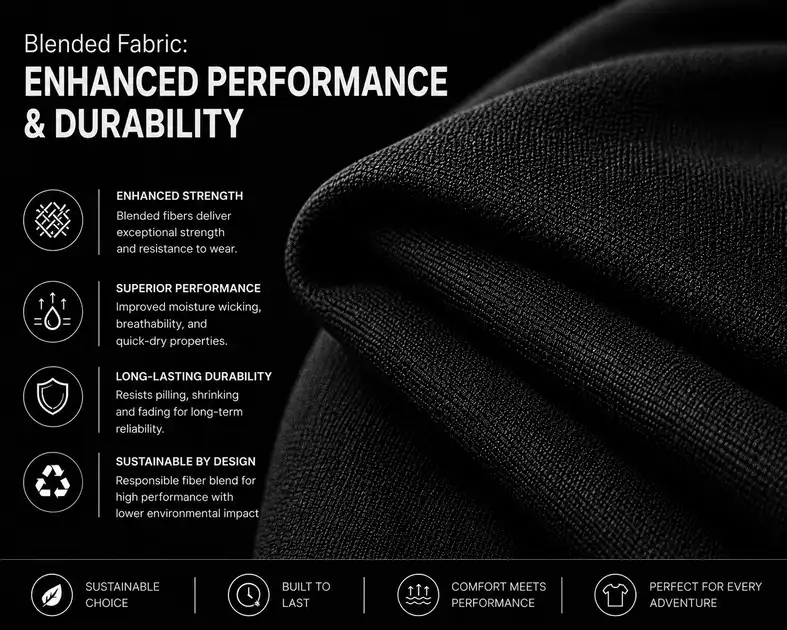
Blended fabrics, as the name suggests, combine two fabrics to get the qualities of both textile materials. These fabrics are superior and high-quality when used in sportswear apparel.
A few examples are poly-cotton and poly-spandex; these 2 types of fabrics combine the traits of cotton and spandex with polyester and enhance their functionality. Blended textiles or fabrics are used widely to make casual athleisure polo shirts and printed loungewear tracksuits.
Furthermore, for high-performance gears, poly-spandex with 10-20% is used, and similarly, 80 nylon 20 lycra is used for fashion swimwear gears such as leotards, water racing suits, and chic fashion bikinis.
Are Blended Fabrics Costlier Than Traditional Fabrics?
Blended activewear fabrics are a little bit costlier than traditional options out there; they typically cost 10-20% more, but the benefits they have far outweigh this cost difference.
Personal Wardrobe and Brands: Choosing the Right Fabric
Choosing the right kind of fabric is just as important as knowing the difference in activewear fabric types. Some fabrics are suited for casual athletic wear, while others are a must for high-performance clothes in competitions and leagues.
But how do you make the right choice for your personal wardrobe or for your custom activewear apparel? Well, there are several steps to ensure the right fabric for your needs.
- First, you need to decide what kind of features your activewear will have, are they going to be wicking off sweat, or will they provide a softer drape against the skin?
- The next step is to think about movement levels. Are you making high movement leggings for yoga and pilates or lightweight compressional shirts for cycling and running?
- Now, you need to think about GSM values of fabrics, as there are activewear items such as lightweight gymwear tops that need low-weight GSM, whereas fitness joggers and shorts require medium to heavy-weight GSM.
- The next step is to determine the breathability and easy-wearing routine. Sure, athletes and gym enthusiasts will have no problem taking some time to wear, but what about an average activewear fan? Consider this as well.
- Finally, you need to test or ask about your chosen fabrics for durability, abrasion resistance, and proper color retention so your chosen garments have prints that could last for months to come.
Find the Best Activewear Fabric For Your Brand!
Mesa Sportswear is the leading manufacturer for many brands across the United States and the United Kingdom. We understand your needs as entrepreneurs and implore you to contact us for a free consultation regarding your designs, and we will respond right away.
Contact Us →Conclusion: Fabric Choice Defines Final Activewear
The world of activewear fabric is vast, but only a few can be right for your needs as a consumer and brand owner. Polyester is affordable and highly functional, but not really usable where 4-way stretch is required. Similarly, nylon might be best for swimwear, but where breathability is concerned, it falls short.
Custom sportswear manufacturers have made techniques such as vents, blended fabrics and even finishing coatings to address all these problems, so yes you can use fabric of your choice, but it's still better to first think about your products and then make a table to see which fabric material suits you best.
As fabric choice defines not just look and feel but also serviceability of activewear.
Frequently Asked Questions: Activewear Fabrics
What is the Best Workout Jersey Material?
The best workout jersey material is polyester, and it's blended with spandex. Polyester holds inks of printed designs for a long time and provides moisture-wicking, durability, and 4-way stretch when combined with spandex. Polyester-made jerseys, typically 140 GSM, are durable and wash-resistant.
What is the Difference Between Polyester vs Nylon?
Nylon is stronger and more durable than polyester. Furthermore, it has a softer feel to it. But polyester is highly moisture-wicking and easier to dye with custom designs and prints. Nylon is better for performance gear, whereas polyester is better for activewear and everyday apparel.